
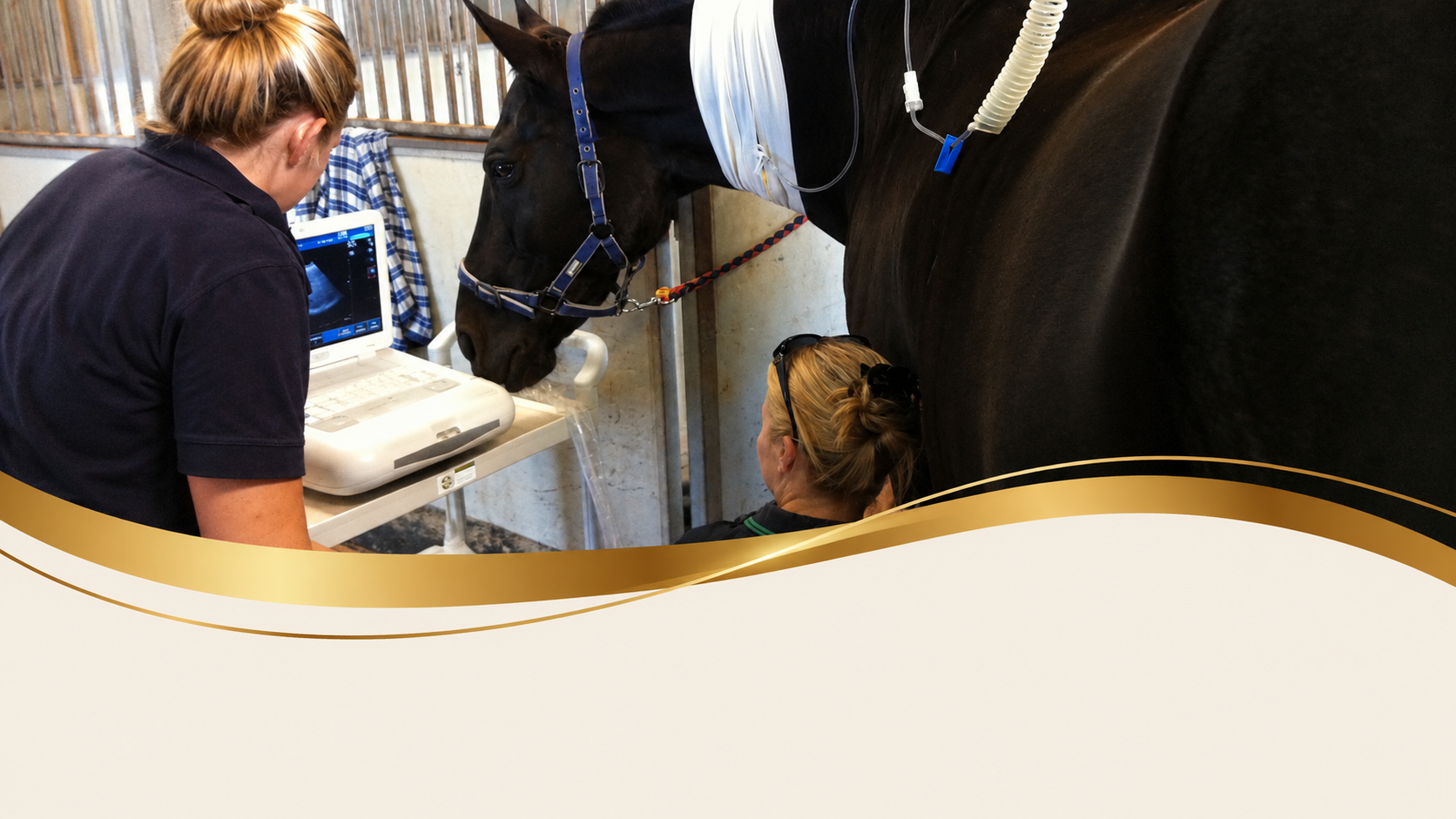
Horse Castrations
A Guide for Horse Owners
Castration (gelding) is one of the most commonly performed surgical procedures in horses. It involves the removal of both testicles, preventing the horse from breeding and reducing the influence of testosterone.
For many horses, castration results in a more manageable temperament, allows safer group housing, and eliminates the risk of unwanted breeding. While individual personalities remain unchanged, many geldings become easier to handle and more focused on work once the effects of testosterone diminish.
At Hawkesbury Equine Veterinary Centre, castrations are performed using modern surgical techniques with a strong focus on patient safety, pain management, and post-operative care.
Why Castrate a Horse?
Owners may choose to geld a colt or stallion for a variety of reasons, including:
Preventing unwanted breeding
Reducing stallion-related behaviours
Improving safety for handlers and other horses
Simplifying paddock and stable management
Supporting future training and performance
Treating certain testicular conditions or injuries
While many behavioural changes occur following castration, training, handling, and the horse's individual temperament continue to play an important role.
When Should a Horse Be Castrated?
Many colts are castrated between 6 and 18 months of age, although horses can be gelded at almost any age if they are healthy.
The ideal timing depends on factors such as:
Age and maturity
Both testicles being descended into the scrotum
Intended use
Temperament and behaviour
Overall health
Your veterinarian can advise on the most appropriate time for your individual horse.
Before the Procedure
Prior to surgery, your veterinarian will perform a physical examination to ensure your horse is healthy enough to undergo the procedure.
Owners may be advised regarding:
Vaccination status, particularly tetanus protection
Suitable facilities for surgery and recovery
Post-operative care and exercise
Some horses may require additional assessment if one or both testicles have not descended normally.
The Castration Procedure
Most routine castrations are performed under general anaesthesia with the horse lying down in a clean, safe environment.
The procedure involves:
Administration of sedation and general anaesthesia
Thorough preparation of the surgical site
Surgical removal of both testicles
Careful control of bleeding
Recovery under veterinary supervision
In some cases, standing castration under heavy sedation may be appropriate, depending on the horse and individual circumstances.
Recovery and Aftercare
Most horses recover well following routine castration.
During the first few days after surgery, some swelling around the scrotum and sheath is expected.
To support healing, we generally recommend:
Daily monitoring of the surgical site
Keep the horse quiet for the first 24 hours to reduce the chance of excessive bleeding or herniation.
Controlled exercise is advised and ideally horses are exercised for 10-20 minutes 2 x per day for 2 weeks after castration to facilitate drainage and prevent early closure of the skin.
Keeping the incision clean and allowing normal drainage
When Should I Contact My Veterinarian?
Please contact us promptly if your horse develops:
Excessive bleeding - generally we say if you cannot count the drops or the wound still dripping 6 hours post surgery please contact us immediately.
Marked swelling or increasing pain
Thick or foul-smelling discharge
Fever or loss of appetite
Depression or reluctance to move
Intestinal tissue or other tissue protruding from the surgical site (this is rare but requires immediate veterinary attention)
Early recognition and treatment of complications can significantly improve recovery.
Will My Horse's Behaviour Change?
Following castration, testosterone levels gradually decrease over several weeks.
Many geldings become:
Easier to handle
Less distracted by mares
Less likely to display stallion behaviours
Easier to manage in shared paddocks
However, learned behaviours and established habits may persist, particularly in horses castrated later in life. Ongoing training and consistent handling remain important.
Frequently Asked Questions
How long does recovery take?
Most horses return to normal activity within 2–3 weeks, although complete healing may take longer.
Will my horse still be fertile after surgery?
A recently castrated horse may still have viable sperm remaining in the reproductive tract for a short period after surgery. To avoid unintended pregnancies, recently gelded horses should be kept away from mares for several weeks.
Is swelling normal?
Yes. Mild to moderate swelling is expected during the first few days after surgery and usually improves with appropriate exercise and drainage.
What are the risks?
Castration is a routine procedure with a high success rate, but as with any surgery there are potential risks. These include bleeding, infection, excessive swelling, anaesthetic complications, and, rarely, more serious complications such as herniation.
Our Commitment
At Hawkesbury Equine Veterinary Centre, we are committed to providing safe, compassionate, and professional surgical care for every horse.
From your horse's pre-operative assessment through to recovery and aftercare, our experienced veterinary team will guide you through every stage of the process. We focus on effective pain management, careful surgical technique, and clear communication to help ensure the best possible outcome for both you and your horse.
If you would like to discuss castration or book your horse for surgery, please contact our team. We are happy to answer any questions and help you determine the most appropriate timing for your horse.